Technical Logic
Framer vs Custom Code in 2026: An Honest Take on Speed, SEO, and Scale
For most marketing sites in 2026, Framer wins on launch speed and maintenance cost, ranks just as well as custom code, and only loses when you need real app logic. Here's the honest breakdown — no hype, no tribalism.
Why This Decision Costs People So Much
Almost everyone asks this question with an assumption already baked in: that hand-written code is the "serious" choice and everything else is a shortcut. That single assumption quietly costs companies real money — either they overpay for custom code they never needed, or they pick a tool that hits a wall six months later.
Here's the reframe. Framer and custom code are both tools. Neither is automatically better. The only question that matters is what the site is actually for:
A marketing site, landing page, or portfolio?
A content-heavy site with a blog and dozens of pages?
Or a real product — logins, dashboards, live data?
Get that answer right and the "Framer vs custom code" debate mostly answers itself.
"Custom code isn't more serious — it's just a different tool. Using it where it earns you nothing is how budgets disappear."
Framer vs Custom Code: The Honest Comparison
Three things people actually care about — and the truth about each.
Ranking & SEO
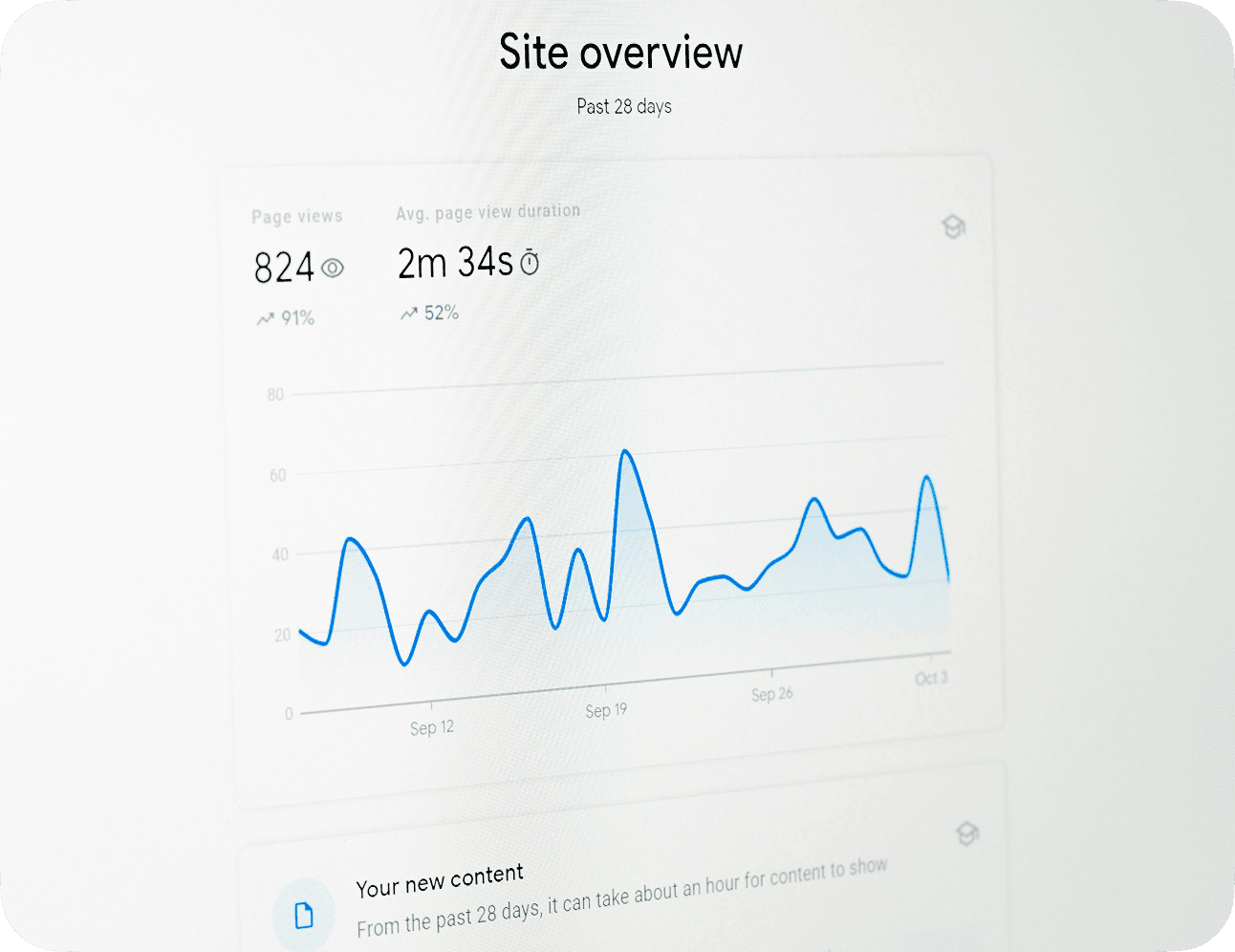
The old knock on no-code was messy, uncrawlable markup. In 2026 that's outdated. Framer ships clean, server-rendered HTML with proper headings, meta and Open Graph fields, sitemaps, and per-page title control. Google crawls it like any other site. Custom code can match or beat that — but only if the team actually implements SSR, structured data, and a performance budget. Plenty don't, and a sloppy custom build outranks nothing. On SEO, it's basically even; the people building it matter more than the platform.
Page Speed
This is where Framer surprises skeptics. It handles the unglamorous work automatically — image optimization, modern formats, lazy loading, code splitting, CDN delivery — so you get green Core Web Vitals without hand-tuning anything. Custom code has a higher ceiling, yes, but only if you have engineers who'll obsess over bundle size and caching. Most marketing sites never need that ceiling, and never pay for the obsession.
Scalability
Framer scales beautifully for content — hundreds of CMS pages, blogs, localized versions, shared components. Adding your fiftieth case study is nothing. Where it stops is application logic: dashboards, auth, real-time data, complex flows. Push it there and you're fighting the tool — that's custom code's job, and the one place it clearly wins.
"The right question isn't 'which is better.' It's 'what is this site for."
So Which Should You Choose?
Choose Framer if:
You're building a marketing site, landing page, portfolio, or blog
You want it fast to launch and easy to update without a developer
You care about page speed and ranking but don't need a custom backend
Choose custom code if:
The site is a product — logins, dashboards, heavy data, bespoke logic
You have a real engineering reason to control the entire stack
And be suspicious of anyone who answers this the same way every time, no matter what you're building. That's a sign they're selling a tool, not solving your problem.

Design Process
Jul 4, 2026

Avijit Roy
Ceo & Co-Founder

Performance
Jul 4, 2026
Avijit Roy
Ceo & Co-Founder
Business ROI
Jul 4, 2026
Avijit Roy
Ceo & Co-Founder
